Liên hệ
 Cẩm Nang
 Ẩm Thực
 Địa Điểm Nổi Tiếng
 Free & Easy
 Thông Tin Mua Sắm
 Trang Chủ
 Tour Mới
 VISA
VISAExplore the rich and varied cuisine of China . From the famous Peking duck to unique street food, this article will help you plan the perfect culinary trip.
Introduce:
Mục Lục Nội Dung
China, a country with a long-standing and diverse culinary culture, is always an attractive destination for food lovers. Each region of this country has its own specialties, imbued with local flavors. Let’s explore the Chinese dishes that cannot be missed when traveling !
Part 1: Famous national dishes
1. Peking Duck
-
Peking Duck: The Signature Flavor of Chinese Cuisine
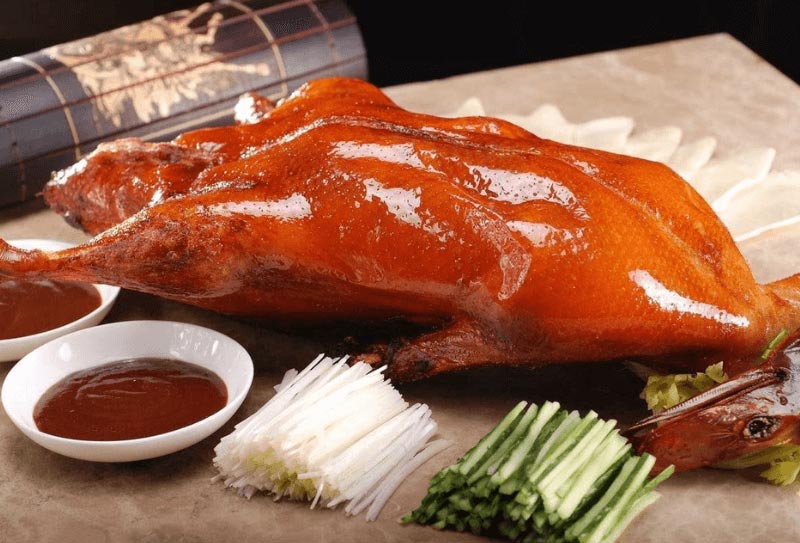
Peking Duck is one of the most typical dishes of Chinese cuisine, famous not only domestically but also worldwide. This dish attracts diners not only by its wonderful taste but also by its unique presentation and preparation method.
-
History and origin
Roast duck has a history of hundreds of years, and is said to have first appeared during the Song Dynasty. However, Peking duck officially became a famous dish during the Ming Dynasty. Initially, this dish was served to the royal family and gradually spread to all social classes.
-
Processing procedure
Making Peking duck is a meticulous and elaborate process. First, people choose fat ducks with thick and smooth skin. The ducks will be cleaned and stuffed with spices such as ginger, onions, garlic, then dried and brushed with a layer of honey to create shine.
Next, the duck is roasted in the oven until the skin is golden brown and crispy. The roasting process usually lasts between 60 and 90 minutes, resulting in a dish with crispy skin and tender, juicy duck meat.
- How to enjoy
Peking duck is usually served with thin bread, cucumbers, green onions and special sauce (miso or black bean sauce). The traditional way of preparing the dish is to roll all the ingredients into the bread, creating a harmonious flavor between the crunchiness and softness of the duck meat, along with the freshness of the vegetables.
- Famous Place
When it comes to Beijing roast duck, we cannot fail to mention famous restaurants such as Quanjude or Bianyifang in Beijing, where visitors can enjoy this dish in a luxurious and elegant space.
2. Dumplings: Great Taste from Chinese Cuisine
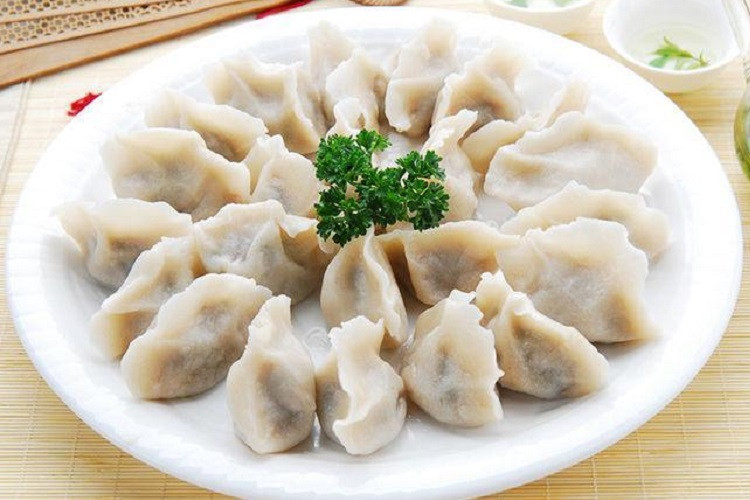
Dumplings (水饺) are one of the famous traditional dishes of Chinese cuisine, especially during the Lunar New Year. Not only loved for their delicious taste, dumplings also carry profound cultural values and meanings.
-
History and origin
Historically, dumplings originated in the northern region of China and have been around since the Tang Dynasty. Originally called “jiaozi” (饺子), the dish was used to treat colds during the winter. Over time, dumplings have evolved into a popular dish in both everyday cuisine and festive occasions.
-
Processing procedure
Dumplings are made from flour, water, and a filling, usually meat (such as pork, beef, or chicken) combined with vegetables (such as bok choy, mushrooms, or green onions). The preparation process typically involves the following steps:
Step 1: Prepare the dough: Knead the flour with water until smooth and elastic.
Step 2: Make the filling: The meat and vegetables are chopped and seasoned with salt, pepper, ginger, and onions to enhance the flavor.
Step 3: Roll the dumplings: The dough is rolled into thin circles, then the filling is placed in the middle and folded, usually into a semicircle or half-cup shape.
Step 4: Cooking: Dumplings can be steamed, boiled, or fried. The cooking method will affect the flavor and texture of the dish. Steamed dumplings are usually soft, while fried dumplings have a crispy crust.
-
How to enjoy
Dumplings are often served with dipping sauce, which can be soy sauce mixed with vinegar, minced garlic or chili. During Tet, dumplings are often eaten as a symbol of reunion, luck and prosperity for the new year.
-
Cultural significance
In addition to being delicious, dumplings also carry many cultural meanings. Their shape resembles ancient coins, symbolizing wealth and good fortune. Therefore, this dish has become an indispensable part of the Chinese New Year feast.
3. Longevity Noodles: Symbol of longevity and fortune
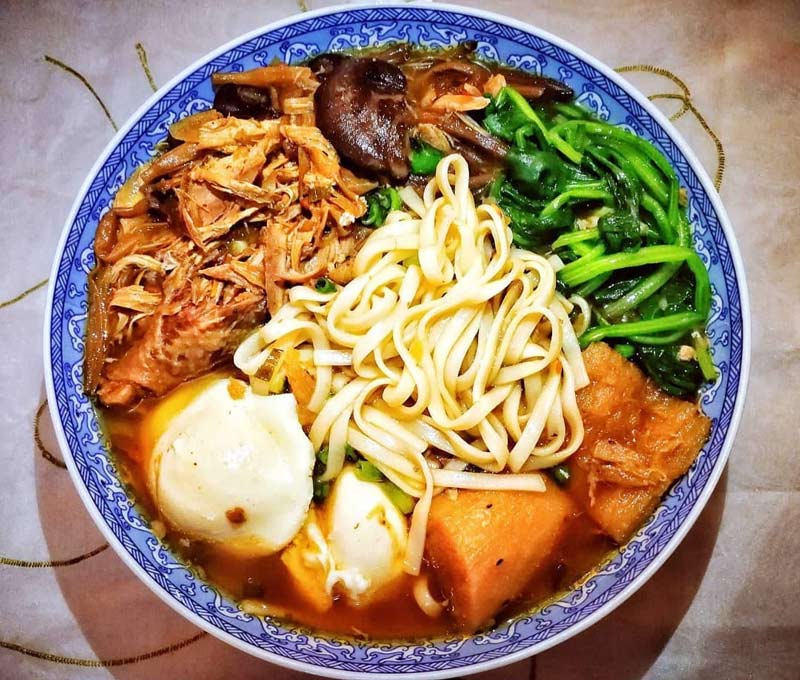
Longevity noodles (长寿面) is a traditional dish in Chinese cuisine, famous not only for its delicious taste but also for its profound cultural significance. This noodle dish is considered a symbol of longevity and fortune, and is often served during festivals, birthday parties, and other important events.
-
History and origin
Longevity noodles originated in Chinese culinary culture thousands of years ago. According to legend, noodles are considered a food that brings health and longevity. In ancient times, people often ate noodles on birthdays or at banquets for the elderly, hoping to bring them good health and long life.
- Raw materials and processing
Longevity noodles are typically made from wheat flour, water, and a few other ingredients, resulting in long, soft noodles. The noodles used can be fresh or dried, depending on regional preferences and traditions.
The process of making longevity noodles is quite simple, including:
Step 1: Prepare the dough : Knead the flour with water until it becomes smooth and elastic.
Step 2: Rolling and cutting : The flour is rolled thinly and cut into long strands, symbolizing longevity.
Step 3: Cook the noodles : The noodles are cooked in boiling water until done, then can be mixed with broth or stir-fried with vegetables, meat or seafood.
Step 4: Add spices : The broth is seasoned with spices such as dark soy sauce, sesame oil, green onions and garlic, creating a unique flavor for the dish.
-
How to enjoy
Longevity noodles are usually served in large bowls, accompanied by a sweet and clear broth. People often decorate the noodles with herbs, fried eggs or pork, creating a colorful and attractive meal. When enjoying, diners can express their wishes by not cutting the noodles, but eating each long strand, with the hope of bringing health and longevity.
-
Cultural significance
In Chinese culture, longevity noodles are not only a dish but also a symbol of good things in life. Long noodles represent longevity, happiness and fortune. Therefore, longevity noodles are often considered an indispensable dish at birthday parties or important festivals.
3. Stinky tofu:
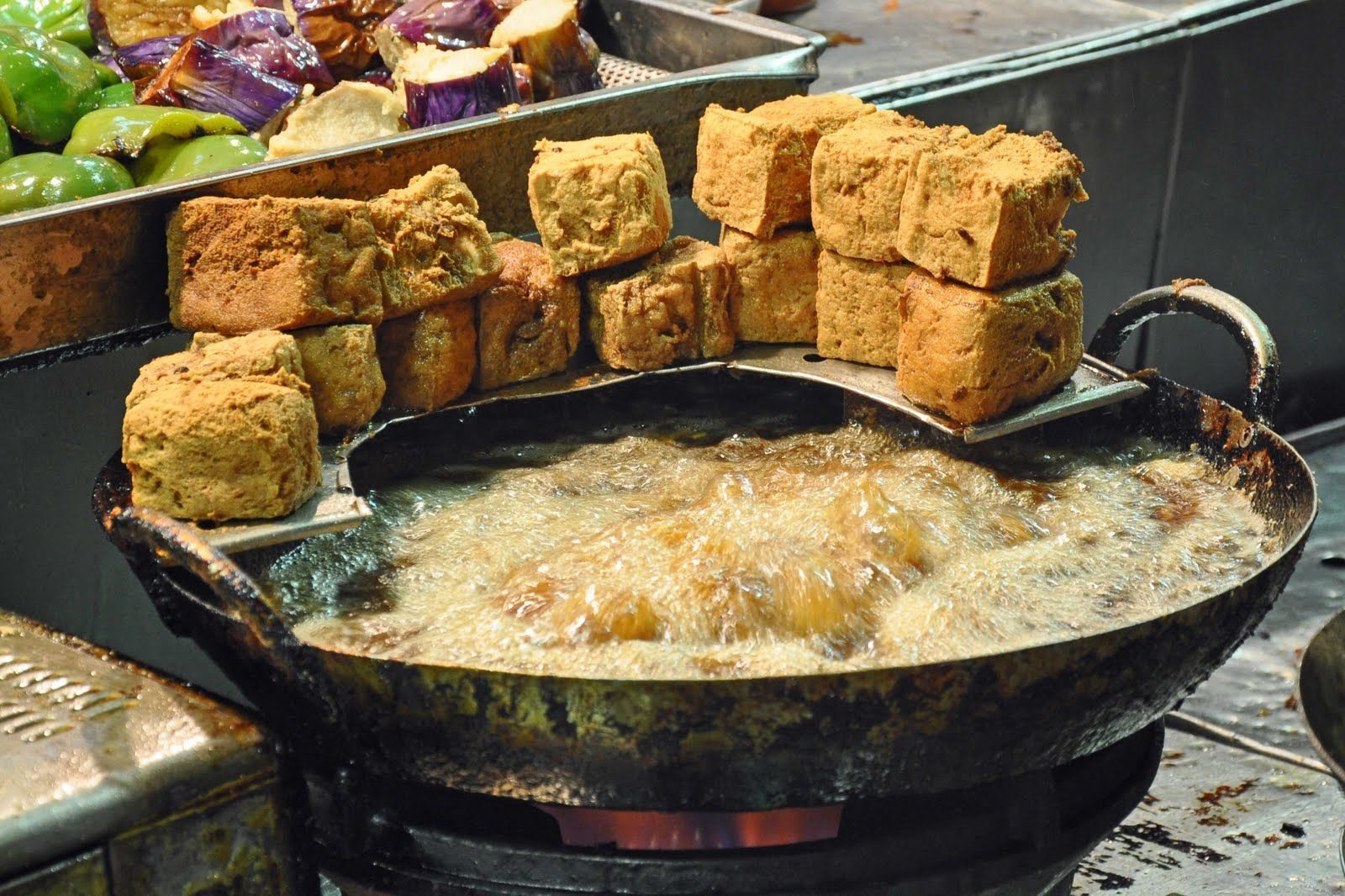
Stinky tofu (臭豆腐) is one of the most famous and controversial dishes in Chinese cuisine. With its distinctive flavor and strong aroma, this dish has conquered many diners as well as made many others hesitate. Despite its unappealing name, stinky tofu is considered a specialty in many regions, especially in Taiwan and some southern provinces of China.
-
History and origin
Stinky tofu originated in China, with a long history dating back to around the 17th century. There are many legends surrounding the birth of this dish, one of which says that the dish originated from an unfortunate tofu seller who discovered that he could turn spoiled tofu into a delicious dish. Since then, stinky tofu has gradually become an indispensable part of Chinese street food.
-
Processing: The process of making stinky tofu is quite special and elaborate.
Step 1: Prepare ingredients : Fresh tofu is cut into small cubes.
Step 2: Soaking : Tofu is soaked in a solution containing natural probiotics, usually a sauce made from pickles or sauerkraut, along with some spices such as salt, pepper, garlic and other herbs to ferment.
Step 3: Fermentation time : The incubation period can last from a few days to a few weeks, depending on the method and weather conditions. During this time, the tofu will develop its characteristic flavor, accompanied by a strong aroma.
Step 4: Cooking and preparation : After fermenting, stinky tofu can be deep-fried, steamed or grilled, and is often served with dipping sauces such as soy sauce or chili sauce.
-
Taste and how to enjoy
Despite its strong aroma, stinky tofu has a unique, rich and appealing flavor. When deep-fried, the outer layer becomes crispy, while the inside remains soft and creamy. The dish is often enjoyed with raw vegetables, pickles and dipping sauces to balance the flavor.
In Taiwan, stinky tofu is often sold at street food stalls and is a staple in night markets. Visitors to Taiwan often don’t miss the chance to try this dish.
-
Cultural significance
Stinky tofu is not just a dish, but also a part of China’s unique culinary culture. The dish shows creativity in food preparation and how to make use of available ingredients. At the same time, stinky tofu also highlights the diversity in cuisine of each region.
Although not everyone loves this dish because of its distinctive taste, stinky tofu is still considered one of the “must-try” dishes when exploring Chinese culinary culture.
Part 2: Regional specialties
1. Sichuan Cuisine:
Sichuan cuisine (四川菜) is one of the most famous cuisines in China, especially known for its rich, spicy flavors and the abundance of ingredients and preparation methods. Here are the salient features of Sichuan cuisine:
-
Spicy and hot
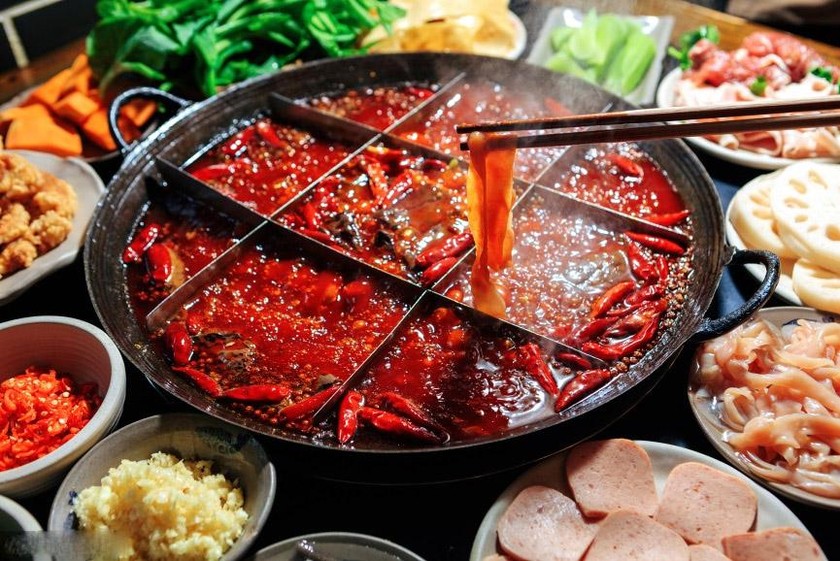
Sichuan cuisine is known for its fiery power, often made from fresh chilies, dried chilies, and Sichuan peppercorns (花椒 – huājiāo). This peppercorn creates a slight tingling sensation on the lips and tongue, which combined with the spicy taste creates a unique culinary experience.
-
Use rich spices
Sichuan cuisine uses a wide variety of spices, not just chili peppers. Spices such as garlic, ginger, onions, sugar, vinegar, and soy sauce often appear in dishes, creating deep layers of flavor.
-
Flavor Combinations
Sichuan cuisine is often characterized by a combination of spicy, sour, sweet and salty elements, which add richness and appeal to the dish. The balance between these flavors is an important point in Sichuan cuisine.
-
Diverse materials
The ingredients used in Sichuan cuisine are very diverse, including many types of meat (such as pork, beef, chicken), seafood, and fresh vegetables. Notably, the ingredients are often stir-fried quickly over high heat to keep them crispy and fresh.
-
Featured dishes
Some typical dishes in Sichuan cuisine include:
*Stir-fried beef with chili and Sichuan pepper
*Mapo Tofu (麻辣豆腐) : Spicy tofu with minced meat and Sichuan pepper.
*Sichuan Hot Pot (火锅) : Hot pot is famous for its spicy broth, often using many spices to create rich flavor.
-
Special processing method
Sichuan cuisine focuses on cooking methods such as stir-frying, stewing, grilling or steaming. In particular, the stir-frying technique over high heat (hot wok) helps ingredients retain their freshness and natural flavor.
-
Cultural influence
Sichuan cuisine is not only famous domestically but also loved all over the world. Sichuan cuisine often appears in Chinese restaurants and makes a strong impression on diners thanks to its unique flavors and rich ingredients.
2. Cantonese Cuisine:
Cantonese cuisine (粤菜) is one of the most famous and beloved cuisines of China, especially known for its sophistication, richness and variety of ingredients. Below are the outstanding characteristics of Cantonese cuisine:
-
Fresh ingredients
Cantonese cuisine is notable for its use of fresh ingredients, including seafood, meat, and vegetables. Here, the selection and preparation of fresh ingredients is very important to create delicious flavors and quality dishes.
-
Gentle cooking
Cantonese cuisine is often lightly prepared, using methods such as steaming, stir-frying and grilling, to preserve the freshness of the ingredients. Steaming is a popular technique, which helps the dish retain its moisture and distinctive flavor.
-
Delicate flavor
Cantonese food is typically lightly seasoned and delicately seasoned, not too spicy or too salty. Using seasonings such as soy sauce, onions, ginger, garlic and sesame oil adds flavor without overpowering the flavors of the ingredients.
-
Dim sum
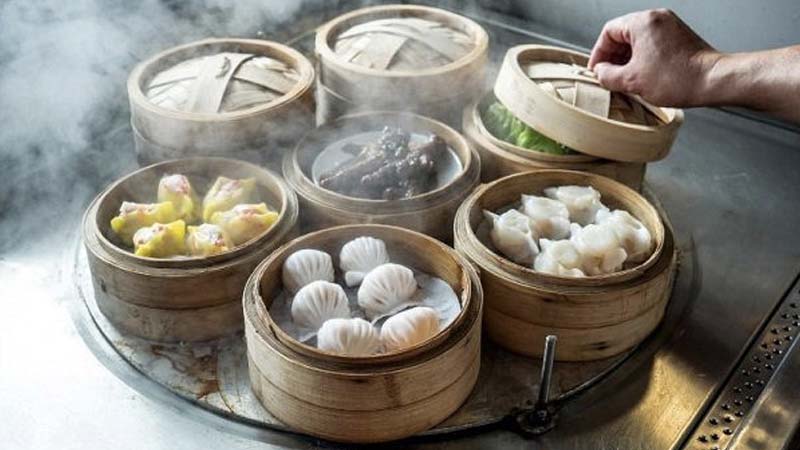
Dim sum (点心) is one of the prominent specialties of Cantonese cuisine, consisting of small dishes served in steamer baskets or plates. Dim sum is usually made from flour, meat, seafood and vegetables, very diverse and suitable to be eaten with tea.
-
Some featured dishes
1/ Cantonese Roast Duck (烧鸭) : The duck is roasted until the skin is crispy, often with a slightly sweet taste from the sauce.
2/ Lemongrass Steamed Chicken (白切鸡) : Simple steamed chicken dish, usually served with dipping sauce.
3/ Steamed scallops (蒸扇贝) : Fresh seafood steamed with garlic and coriander.
4/ Fish porridge (鱼粥) : Porridge is made from fish and rice, usually eaten with spices and vegetables.
-
Variety of dishes
Cantonese cuisine includes a wide variety of dishes from seafood, meat to vegetables, with different cooking styles from different regions in Guangdong province. From snacks like dim sum to main dishes like Hainan chicken rice (海南鸡饭), all demonstrate the richness of this cuisine.
-
Sophisticated culinary culture
Cantonese cuisine focuses not only on taste but also on the aesthetics of the presentation of dishes. Diners can see the meticulousness in every detail, from the decoration to the arrangement of dishes on the plate.
3. Shandong Cuisine
Shandong cuisine (山东菜) is one of the eight major cuisines of China, famous for its richness and diversity in ingredients and cooking techniques. Below are the outstanding characteristics of Shandong cuisine:
-
Natural ingredients
Shandong cuisine uses a wide variety of fresh ingredients, including seafood, meat, vegetables, and grains. Shandong’s coastal areas provide abundant seafood, while the region’s agricultural products provide fresh vegetables.
-
Rich processing techniques
Shandong is notable for its many different cooking techniques, including:
1/ Grilling : Grill foods to create rich flavors.
2/ Stewing : Cook dishes using the stewing method to retain the natural flavor.
3/ Stir-fry : Use high heat to quickly stir-fry the ingredients to keep them fresh and crispy.
-
Special seasoning
Shandong cuisine often uses soy sauce, vinegar, pepper, garlic and onions to create flavor. A highlight is the use of vinegar to adjust the taste of the dish, bringing freshness and balance.
-
Featured dishes
Some typical dishes of Shandong cuisine include:
1/ Meat bun : A delicious steamed bun with fresh meat filling.
2/ Steamed fish : Fresh seafood steamed with spices, commonly seen in Shandong cuisine.
3/ Chicken cooked in clay pot : Chicken is cooked in a clay pot with spices and other ingredients, giving it a rich flavor.
4/ Stir-fried mushrooms : Fresh mushrooms are quickly stir-fried over high heat with garlic and onions, creating a simple yet delicious dish.
-
Regional specialties
Shandong is also famous for its baked goods such as dumplings, biscuits, and handmade noodles. The dishes are often beautifully shaped and elaborately prepared.
-
Culinary culture
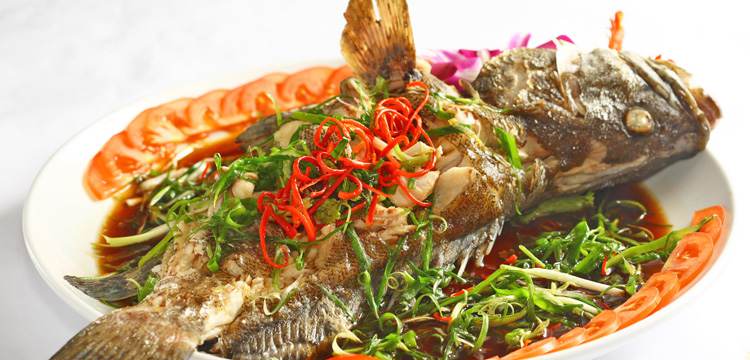
Shandong cuisine reflects the culture and traditions of the people here. Meals are often organized in a welcoming manner, with respect for ingredients and service style.
Part 3: Street food
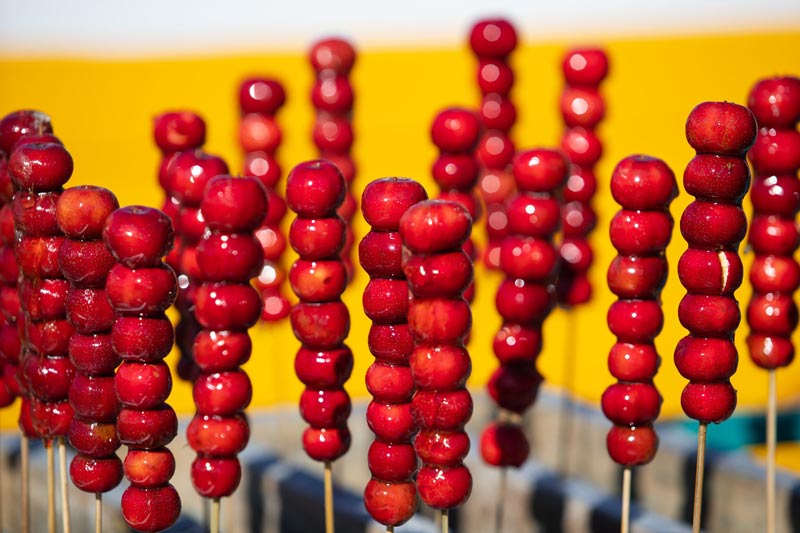
1. Candied hawthorn
Candied fruit is a traditional Chinese snack, usually made from apples, strawberries or other fruits. These fruits are skewered on sticks and then coated with a thick layer of caramelized sugar, creating a sweet and crunchy taste. Candied fruit is not only delicious but also eye-catching with its vibrant colors, often sold in night markets or on the streets.
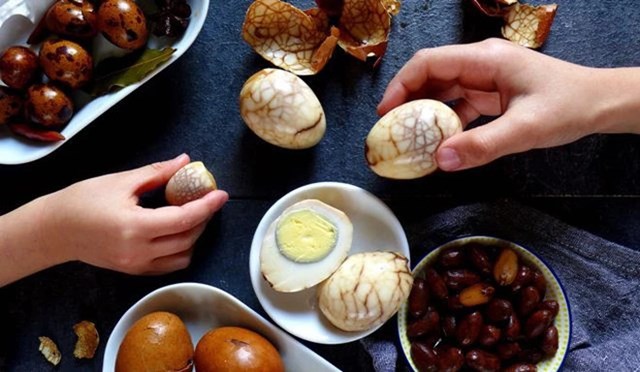
2. Tea-boiled eggs (茶叶蛋)
Tea eggs are a popular snack, especially in Chinese street food culture. The eggs are boiled and then marinated in a mixture of tea, soy sauce, and spices such as cinnamon and pepper. Once the eggs have absorbed enough of the spices, the eggshells are gently cracked to create beautiful patterns. This dish has a distinctive flavor, is both delicious and nutritious.
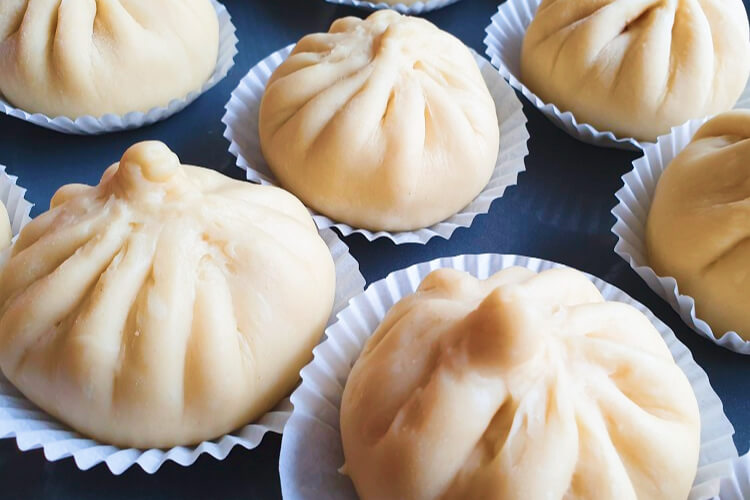
3. Dumplings (包子)
Dumplings are a popular street food, made from flour dough stuffed with meat, vegetables or beans. Dumplings are usually steamed, creating a soft and flaky skin and a filling that is filling and delicious. Common fillings include pork, beef or vegetarian. Dumplings are an ideal choice for a quick, convenient and nutritious meal, often sold at street stalls or in markets.
These three dishes not only represent a rich culinary culture, but are also indispensable parts of the street food experience in Chinese cities.
Conclusion:
Chinese cuisine is an endless treasure trove to explore. With the above suggestions, we hope you will have an enjoyable culinary trip in this country.